


How Much Vitamin C Does a Woman Need Every Day?

Daily recommended intake for women
According to the National Institutes of Health (NIH), the recommended daily allowance (RDA) of Vitamin C for adult women is 75 mg per day. This is slightly lower than the 90 mg recommended for adult men, largely due to differences in average body weight and muscle mass. The tolerable upper intake level for adults is 2,000 mg per day — consistently exceeding this may cause digestive discomfort.
How needs change by life stage
Your Vitamin C requirements don't stay static throughout life. During pregnancy, needs rise to 85 mg per day because the developing fetus relies entirely on maternal intake for tissue growth and immune development. Breastfeeding women have the highest requirement of any life stage — 120 mg per day — as breast milk passes Vitamin C directly to the infant.
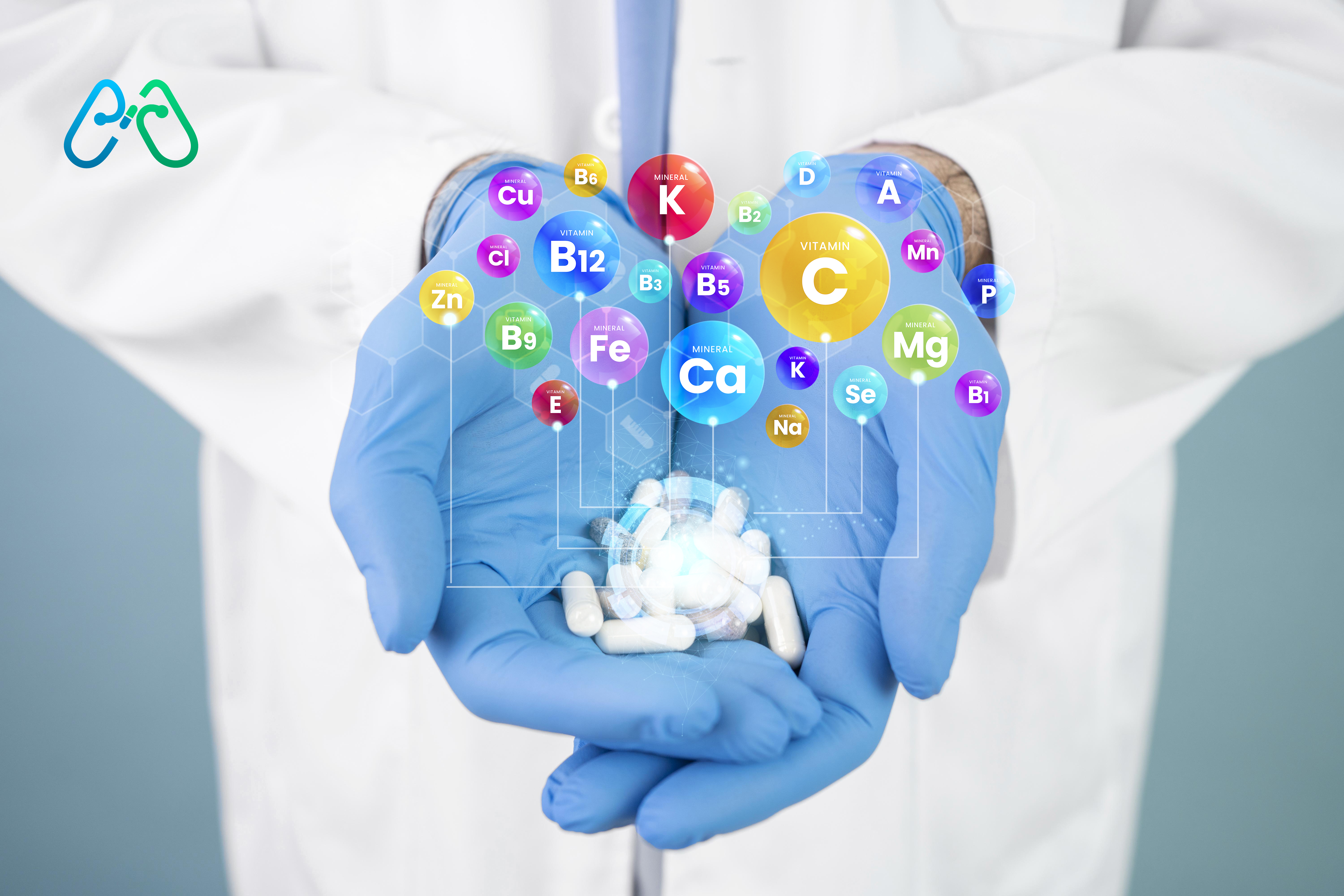
Women who smoke need an additional 35 mg above their RDA, since cigarette smoke depletes the body's stores more rapidly through oxidative stress. In all these cases, a B-complex formula that includes Vitamin C — such as Becosules Capsules — can help cover multiple nutritional needs at once.
Signs you're not getting enough
Mild Vitamin C deficiency is more common than most people realise, particularly in women who follow restrictive diets or have limited access to fresh produce. Early signs include persistent fatigue, slow wound healing, frequent infections, dry or rough skin, and easy bruising. One often-overlooked symptom is recurring mouth ulcers — a sign that both Vitamin C and B-complex levels may be running low.
Low Vitamin C also impairs iron absorption, which can quietly worsen anaemia. Women who experience fatigue alongside pale skin or breathlessness may benefit from a combined formula like Dexorange Hematinic Syrup with Iron, Folic Acid and Vitamin B12, which addresses multiple deficiencies together.
Best food sources of Vitamin C
The best way to meet your daily needs is through whole foods. Guava, red bell peppers, kiwi, strawberries, broccoli, oranges, and papaya are all excellent sources — many of which can meet your entire daily RDA in a single serving. Since Vitamin C is water-soluble, your body can't store large amounts, so consistent daily intake matters.
Heat and prolonged cooking can significantly reduce Vitamin C content, so eating fruits raw and lightly steaming vegetables helps preserve more of the nutrient.

Should you take a supplement?
For most healthy women eating a varied diet, supplementation isn't necessary. A single orange and a handful of strawberries can easily cover the 75 mg RDA. However, women who smoke, are pregnant or breastfeeding, have malabsorption conditions like Crohn's disease, or have limited access to fresh produce may benefit from a supplement.
If you do supplement, doses of 250–500 mg per day are considered safe and well within the upper limit. Very high doses above 1,000 mg per day can cause diarrhoea, nausea, and kidney stones in susceptible individuals. Always speak to a doctor before starting a new supplement, especially during pregnancy.
Frequently asked questions
Can too much Vitamin C be harmful?
Yes, though the body excretes excess amounts, very high supplemental doses above 2,000 mg per day can cause digestive side effects and, in rare cases, contribute to kidney stones.
Does Vitamin C help with iron absorption?
Absolutely. Consuming Vitamin C alongside iron-rich foods significantly improves absorption of non-haem (plant-based) iron — particularly important for women who menstruate or follow a vegetarian diet. For women already dealing with low iron, Dexorange Hematinic Syrup combines iron, folic acid, and Vitamin B12 to support healthy red blood cell production.
Is Vitamin C good for skin?
Yes. Vitamin C is essential for collagen synthesis, which keeps skin firm and supports wound healing. It also acts as an antioxidant, protecting skin cells from UV-related oxidative damage.
Disclaimer
The contents of this website are for informational purposes only and not intended to be a substitute for professional medical advice, diagnosis, or treatment. Please seek the advice of a physician or other qualified health provider with any questions you may have regarding a medical condition. Do not disregard professional medical advice or delay in seeking it because of something you have read on this website.
Related Doctor

Dr. Vignesh
MBBS, MS - General Physician
General Physician Specialist
Dr. Arunagiri
MBBS, MS - General Physician
General Physician Specialist
Dr. T.Siddu Tamil Chellam
MBBS, MS - General Physician
General Physician Specialist
Dr. Vignesh
MBBS, MS - General Physician
General Physician Specialist
Dr. Arunagiri
MBBS, MS - General Physician
General Physician Specialist
Dr. T.Siddu Tamil Chellam
MBBS, MS - General Physician
General Physician Specialist
About the Author


Your Adult Immunity Checklist: The Vaccines That Matter Most Now
December 11, 2025

Top 5 Blood Tests Everyone Should Take After 30
November 21, 2025


How Much Vitamin C Does a Woman Need Every Day?
April 27, 2026

Is Online Consultation Cheaper Than Clinic Visits?
April 20, 2026

How to Save Money on Health Checkups ?
April 13, 2026


Request For Enquire


Comments