


Your Adult Immunity Checklist: The Vaccines That Matter Most Now
Why Adult Vaccination Is Important ?
Many adults mistakenly believe they are protected for life because they were vaccinated as children. In reality:
- Some vaccines require booster doses.
- Certain infections are more dangerous in adulthood.
- Travel, occupation, and medical conditions change risk levels.
- New vaccines become available as science advances.
Keeping your vaccines updated helps prevent serious illness, reduces hospitalizations, and protects people around you — especially seniors, pregnant women, and those with weak immunity.
Essential Vaccines Every Adult Should Have
1. Tdap / Td Vaccine (Tetanus, Diphtheria & Pertussis)
Recommended for: All adults, with a booster every 10 years
Extra importance for: Pregnant women (each pregnancy)
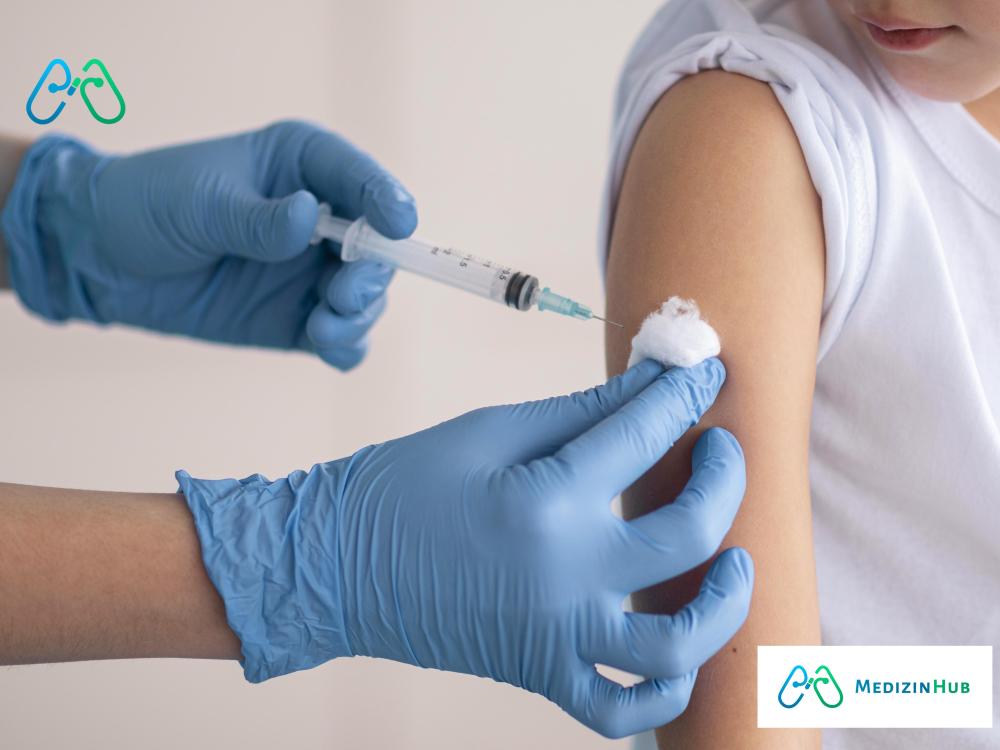
This vaccine protects against tetanus, diphtheria, and pertussis (whooping cough). Immunity naturally decreases over time, so regular boosters are necessary. For expecting mothers, the Tdap vaccine also protects the newborn from serious infections during the first few months of life.
2. Influenza (Flu) Vaccine
Recommended for: All adults, annually
Critical for: People with asthma, diabetes, heart disease, kidney disease, or low immunity
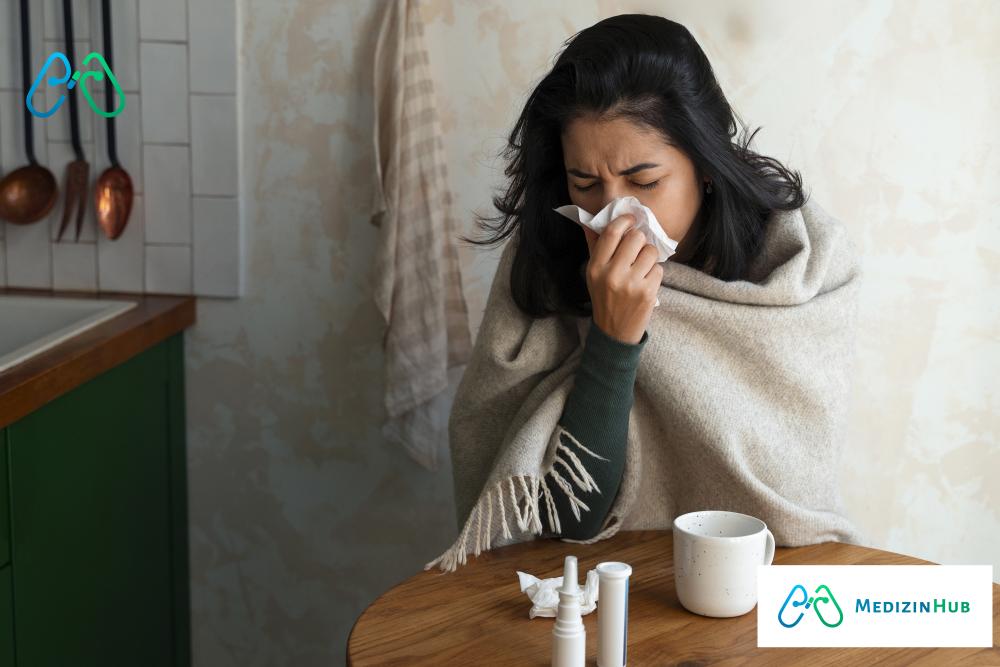
The flu virus changes every year, which makes a yearly vaccine essential. Vaccination helps reduce the severity of symptoms and lowers the risk of complications such as pneumonia or hospitalization.
3. COVID-19 Vaccine & Boosters

Recommended for: All adults based on current national guidelines
Especially for: Seniors, people with chronic illnesses, frontline workers
Staying up to date with COVID-19 vaccination reduces the risk of severe illness, long-term complications, and hospitalization. Boosters help maintain strong immunity over time.
4. Hepatitis B Vaccine
Recommended for: All unvaccinated adults
Especially for: Healthcare workers, people with diabetes, chronic liver issues, or high-risk exposure
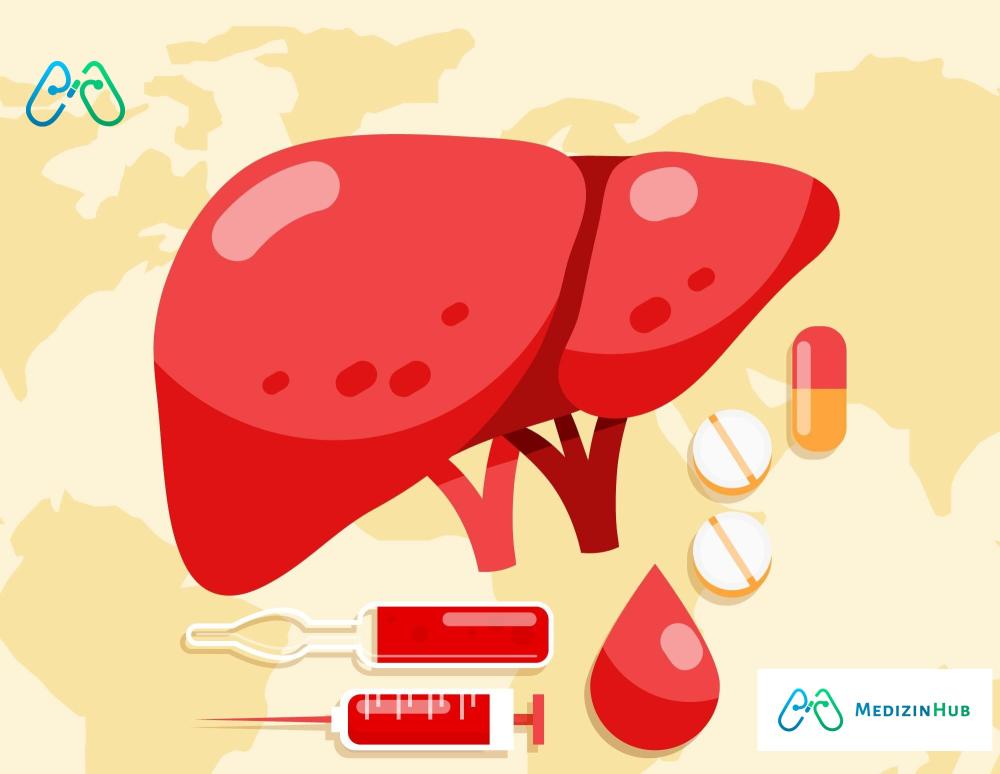
Hepatitis B can cause serious long-term liver damage, including cirrhosis and liver cancer. The vaccine is given as a series of doses and offers long-lasting protection.
5. HPV Vaccine (Human Papillomavirus)
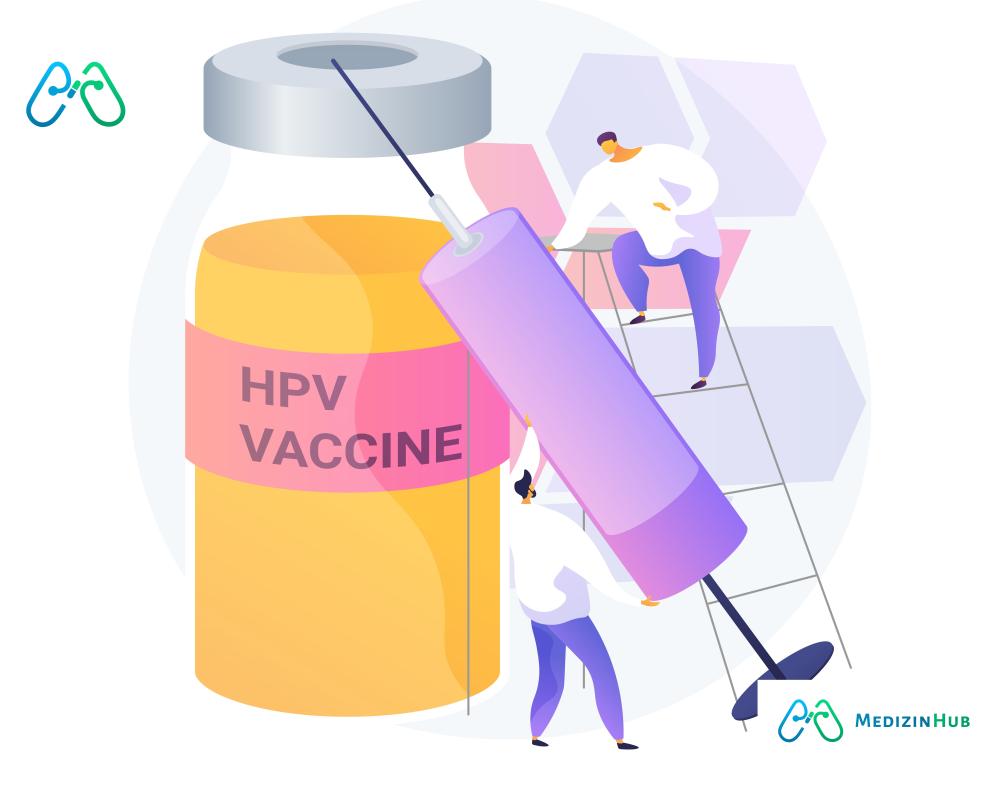
Recommended for: Women and men up to age 26
May be advised for: Ages 27–45, depending on risk factors
HPV is one of the most common viral infections and is linked to cervical cancer, genital warts, and other cancers. Vaccination before exposure offers the highest protection, but some adults may still benefit after medical consultation.
6. Pneumococcal Vaccines (PCV / PPSV)

Recommended for: Adults aged 50 and above
Also needed for: People with chronic lung, heart, liver, or kidney conditions
Pneumococcal infections can lead to pneumonia, meningitis, and bloodstream infections. These diseases can be severe in older adults, making this vaccine an important part of senior preventive care.
7. Shingles (Herpes Zoster) Vaccine
Recommended for: Adults aged 50 and above
Shingles is a painful nerve infection caused by the reactivation of the chickenpox virus. The vaccine significantly reduces the risk and also prevents post-herpetic neuralgia, a long-lasting nerve pain that can persist for months.
8. Hepatitis A Vaccine
Recommended for: Adults who were never vaccinated
Also recommended for: Travellers, food handlers, and people with liver disease
Hepatitis A spreads through contaminated food and water. The vaccine protects against liver inflammation and outbreaks, especially during travel or in high-risk environments.
9. Varicella (Chickenpox) Vaccine
Recommended for: Adults who have never had chickenpox or were never vaccinated
Chickenpox in adulthood is more severe and may lead to pneumonia or skin infections. Two doses of the vaccine provide strong protection.
Who Should Be Extra Cautious?
Certain groups may need specific vaccines or earlier doses:
- People with diabetes
- Adults with heart, lung, or kidney disease
- Individuals with weakened immunity
- People undergoing cancer treatment
- Frequent travellers
- Healthcare and laboratory workers
A doctor can create a personalized vaccination plan based on lifestyle, age, and medical history.
Final Thoughts
Adult immunization is one of the simplest and most effective ways to stay healthy. Vaccines not only protect you but also safeguard your family and community. Staying updated with the recommended schedule reduces the risk of severe infections and ensures long-term health.
Disclaimer:
The information provided in this blog is for educational and awareness purposes only. It should not be considered a substitute for professional medical advice, diagnosis, or treatment. Always consult a qualified healthcare provider or doctor regarding any medical condition or concerns you may have.
MedizinHub is committed to providing accurate and up-to-date health information, but we encourage readers to seek personalized medical consultation for individual
Related Doctor

Dr. Vignesh
MBBS, MS - General Physician
General Physician Specialist
Dr. Arunagiri
MBBS, MS - General Physician
General Physician Specialist
Dr. T.Siddu Tamil Chellam
MBBS, MS - General Physician
General Physician Specialist
Dr. Vignesh
MBBS, MS - General Physician
General Physician Specialist
Dr. Arunagiri
MBBS, MS - General Physician
General Physician Specialist
Dr. T.Siddu Tamil Chellam
MBBS, MS - General Physician
General Physician Specialist
About the Author

Your Adult Immunity Checklist: The Vaccines That Matter Most Now
December 11, 2025
Top 5 Blood Tests Everyone Should Take After 30
November 21, 2025



How Much Vitamin C Does a Woman Need Every Day?
April 27, 2026

Is Online Consultation Cheaper Than Clinic Visits?
April 20, 2026

How to Save Money on Health Checkups ?
April 13, 2026

Request For Enquire


Comments