Why Am I Not Losing Weight Despite Dieting?
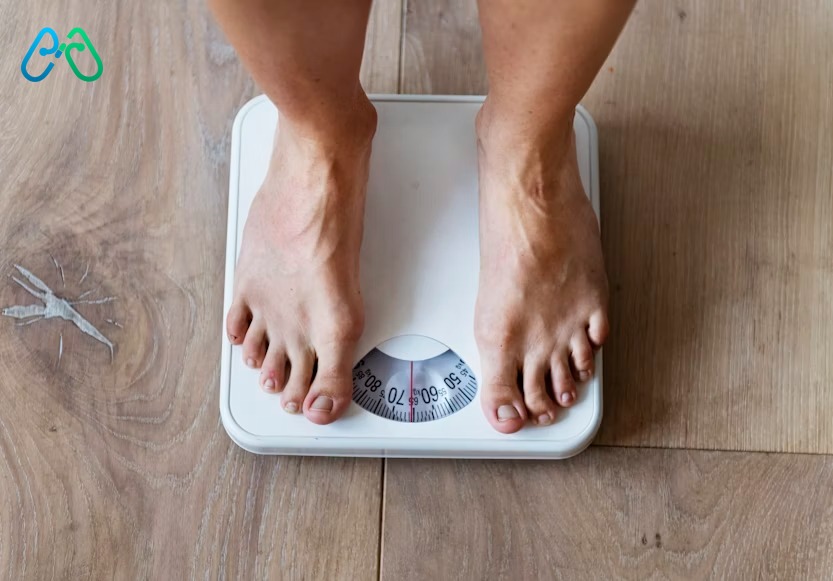
Not losing weight despite dieting is usually due to hidden factors such as consuming excess calories unknowingly, slow metabolism, hormonal conditions, poor sleep, or lack of physical activity. In many cases, a proper diagnosis and a personalized, medically guided plan—such as those offered by MedizinHub—are required for effective and sustainable weight loss.
The Problem
Many patients report a common concern:
“I’m eating less, but my weight isn’t changing.”
This situation can be frustrating. However, in most cases, there is an underlying medical or lifestyle-related reason that prevents weight loss.
Common Reasons You’re Not Losing Weight

1. Hidden Calories in Your Diet
Even foods considered healthy can contribute to excess calorie intake:
- Fruit juices and smoothies
- Nuts consumed in large quantities
- Cooking oils and sauces
Many patients consulting MedizinHub discover that their actual calorie intake is higher than they estimated.
2. Lack of Physical Activity
Diet alone is often insufficient for weight loss.
- A sedentary lifestyle reduces calorie expenditure
- Lack of muscle activity slows metabolism
Incorporating regular physical activity such as Walking can significantly improve results.

3. Slow Metabolism
The body may adapt to prolonged calorie restriction:
- Reduced calorie burn at rest
- Weight loss plateau due to metabolic adaptation
At MedizinHub, metabolic patterns are evaluated to design more effective weight management plans.

4. Hormonal Conditions
Certain medical conditions can make weight loss difficult:
- Hypothyroidism
- PCOS
- Insulin Resistance
These conditions require proper medical diagnosis and targeted treatment rather than general dieting.
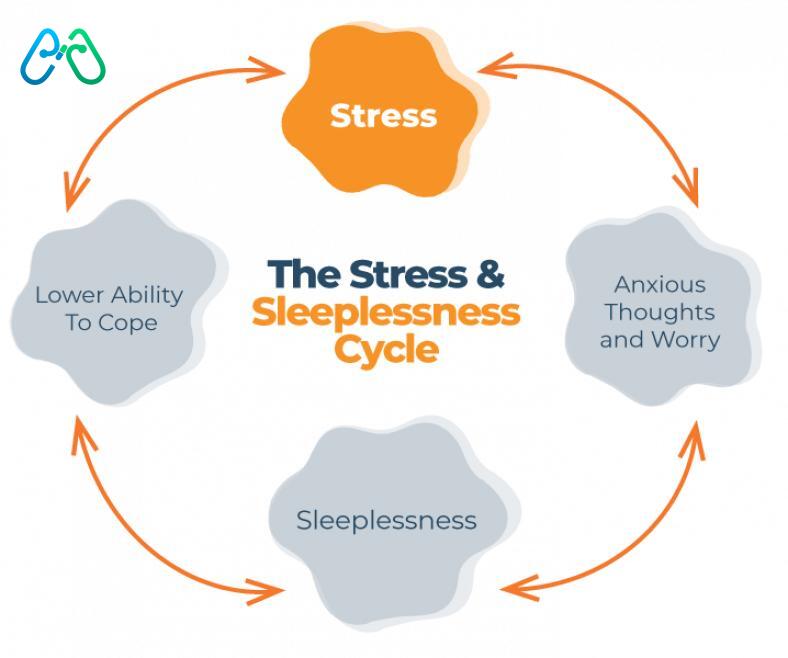
5. Poor Sleep and Stress
- Sleep deprivation disrupts hunger-regulating hormones
- Chronic stress can increase cravings and fat storage
Lifestyle correction, including sleep and stress management, is an essential part of structured programs at MedizinHub.
6. Unrealistic Expectations
- Healthy weight loss is gradual and consistent
- Changes in body composition may not immediately reflect on the scale
Sustainable fat loss takes time and should not be judged solely by short-term weight changes.
When to See a Doctor
You should consult a healthcare professional if:
- You have been dieting without results for 6–8 weeks
- You experience fatigue, hair loss, or irregular menstrual cycles
- You suspect thyroid or metabolic issues
At MedizinHub, patients undergo a structured evaluation to identify the exact cause of weight management challenges.
Key Takeaways
- Weight loss involves more than just reducing food intake
- Hidden calories and lifestyle habits play a critical role
- Hormonal and metabolic conditions can hinder progress
- Medical guidance improves the effectiveness and safety of weight loss
Frequently Asked Questions
Why am I not losing weight even in a calorie deficit?
You may not be in a true calorie deficit due to hidden calories, metabolic adaptation, or inaccurate tracking.
Can hormonal imbalance stop weight loss?
Yes. Conditions such as Hypothyroidism and PCOS can slow metabolism and require appropriate medical treatment.
How long does it take to see weight loss results?
Healthy and sustainable weight loss typically shows noticeable results within 4–8 weeks.
Is dieting alone enough to lose weight?
No. Physical activity, sleep, and overall lifestyle management are equally important.
Final Summary
If you are not losing weight despite dieting, the issue often goes beyond food intake. A combination of lifestyle, metabolic, and medical factors must be addressed. Identifying the root cause and following a structured, medically guided plan is the most effective approach to achieving sustainable weight loss.
Disclaimer
The contents of this website are for informational purposes only and not intended to be a substitute for professional medical advice, diagnosis, or treatment. Please seek the advice of a physician or other qualified health provider with any questions you may have regarding a medical condition. Do not disregard professional medical advice or delay in seeking it because of something you have read on this website.
About the Author
MedizinHub Team
Posted in May 13, 2026