What's the Most Important Skincare Trend Right Now: Barrier Repair, Longevity, or Peptides?
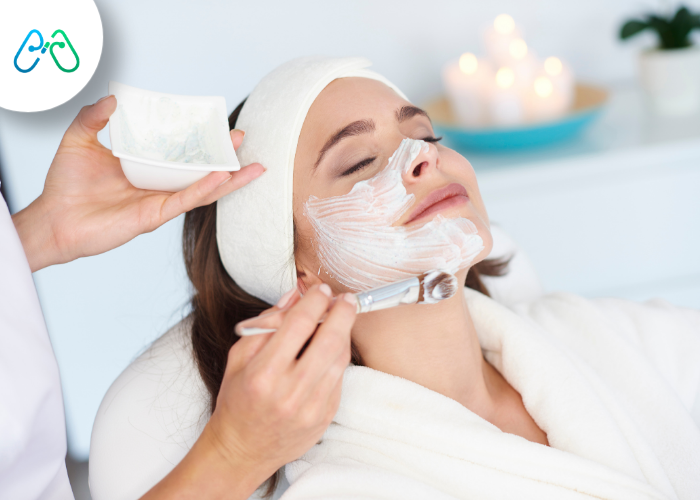
The most important skincare trends in 2026 are barrier repair, skin longevity, and precision peptides — a collective shift away from aggressive, quick-fix anti-aging toward gentler, long-term skin resilience. Instead of chasing dramatic before-and-after results, consumers and dermatologists alike are prioritizing skin that functions well for decades, not just looks good this week. Beta-glucan, PDRN, ceramides, and biomimetic peptides are the ingredients driving that shift.
Here's what's actually worth paying attention to — and why.
The Big Shift: From "Anti-Aging" to "Skin Longevity"
"Anti-aging" is quietly losing its grip as the industry's guiding phrase. In its place, "longevity" has become the framing dermatologists and formulators reach for — an approach built around resilience and daily defense rather than reversing damage after it happens. Practically, that means routines built on consistent sunscreen use, antioxidants, and barrier support instead of layering multiple aggressive actives and hoping for the best.
This matters because it changes what "results" even means. A longevity mindset judges a routine by how the skin performs over years, not by how dramatic a single treatment looks in a photo.
Why Barrier Repair Is the Foundation, Not an Afterthought
Skin barrier health has moved from a niche concern to the starting point of most routines. Compromised barriers show up as dryness, redness, sensitivity, and accelerated visible aging — and a lot of that damage traces back to over-exfoliation and stacking too many strong actives at once.
What's changing in 2026:
- Ceramide- and lipid-based formulas are replacing heavy occlusive "slugging" layers, working with the skin's natural structure instead of just sealing it in.
- Beta-glucan is emerging as a genuine breakout ingredient for calming and strengthening compromised skin.
- Microbiome balance is being treated as part of barrier health, with postbiotic ingredients gaining ground over the live-probiotic formulas of a few years ago.
The practical takeaway: if your skin feels reactive or tight, the fix in 2026 isn't more actives — it's fewer, gentler ones that let the barrier recover first.
Why Peptides Are Having a Moment
Peptides have moved from "supporting ingredient" to arguably the most talked-about category in skincare right now. The appeal is straightforward: they support collagen signaling, calm inflammation, and reinforce the barrier — with far less irritation than retinoids or acids.
A few specifics worth knowing:
- Copper peptides (GHK-Cu) are seeing a resurgence for barrier repair and gentle firming.
- Multi-peptide complexes now combine several peptides to target collagen production, inflammation, and barrier strength at once, rather than relying on a single "hero" molecule.
- Biomimetic and lab-engineered peptides are increasingly designed to mimic the skin's own repair signaling, which is part of why formulators are moving toward them over older synthetic actives.
Peptides aren't a replacement for sunscreen or basic barrier care — they're a lower-irritation way to get some of the benefits people used to only get from stronger actives.
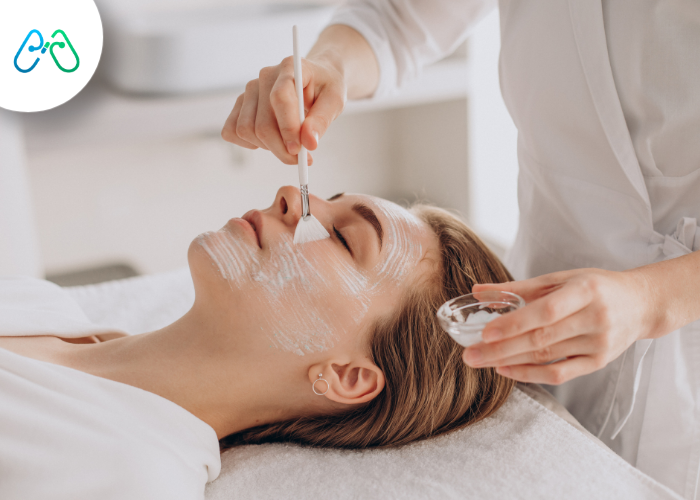
Other Ingredients Worth Watching
- PDRN (polydeoxyribonucleotide) — a regenerative ingredient linked to tissue repair and hydration, tipped as one of the biggest breakout actives of the year.
- NAD+ and NAD-boosting ingredients — positioned at the intersection of cellular energy and skin longevity, often paired with antioxidants like resveratrol.
- Encapsulated retinol — delivers the benefits of retinol with a slower, gentler release, reducing the irritation that used to make it hard to combine with barrier repair.
- Bakuchiol — a plant-based retinol alternative continuing to go mainstream in clean and sensitive-skin formulations.
What Actually Matters for Your Routine
With so many trending ingredients, it's easy to overcomplicate things. The through-line across dermatologist recommendations is simple:
- Protect first — daily broad-spectrum SPF is non-negotiable for both barrier health and longevity.
- Support the barrier — ceramides, niacinamide, and beta-glucan before adding anything aggressive.
- Add peptides gradually — for collagen support and gentle firming without disrupting the barrier.
- Use strong actives sparingly — retinol and exfoliants still matter, but rotation and lower frequency beat daily stacking.
- Judge results over months, not days — longevity-focused ingredients work by supporting function over time, not delivering overnight change.
Final Thought
The skincare industry's center of gravity has shifted: it's no longer about how fast you can force visible change, but how well your skin functions years from now. Barrier repair, skin longevity, and peptides aren't separate trends — they're three angles on the same idea, and routines that respect all three tend to age better than the ones chasing the next aggressive active.
Frequently Asked Questions
What is "skin longevity" in skincare? Skin longevity means treating skin function and resilience as a long-term goal — daily protection, barrier maintenance, and controlled cell renewal — rather than targeting individual wrinkles or blemishes as they appear.
What's the difference between barrier repair and anti-aging skincare? Barrier repair focuses on restoring the skin's protective lipid layer to reduce dryness, redness, and sensitivity. Anti-aging traditionally targeted visible signs of aging directly. In 2026, the two overlap heavily, since a healthy barrier is now considered foundational to preventing premature aging.
Are peptides better than retinol? They're not direct replacements. Peptides generally cause less irritation and support collagen and barrier function, while retinol remains one of the most proven actives for cell turnover and fine lines. Many 2026 routines use both, just at a gentler pace than before.
Is PDRN safe to use with other actives? PDRN is generally considered gentle and barrier-supportive, but as with any newer regenerative ingredient, it's worth introducing one product at a time and patch-testing, especially if your skin is already sensitized.
About the Author
MedizinHub Team
Posted in September 2, 2026