Travelling This Monsoon? Essential Supplements to Pack in Your Travel Health Kit
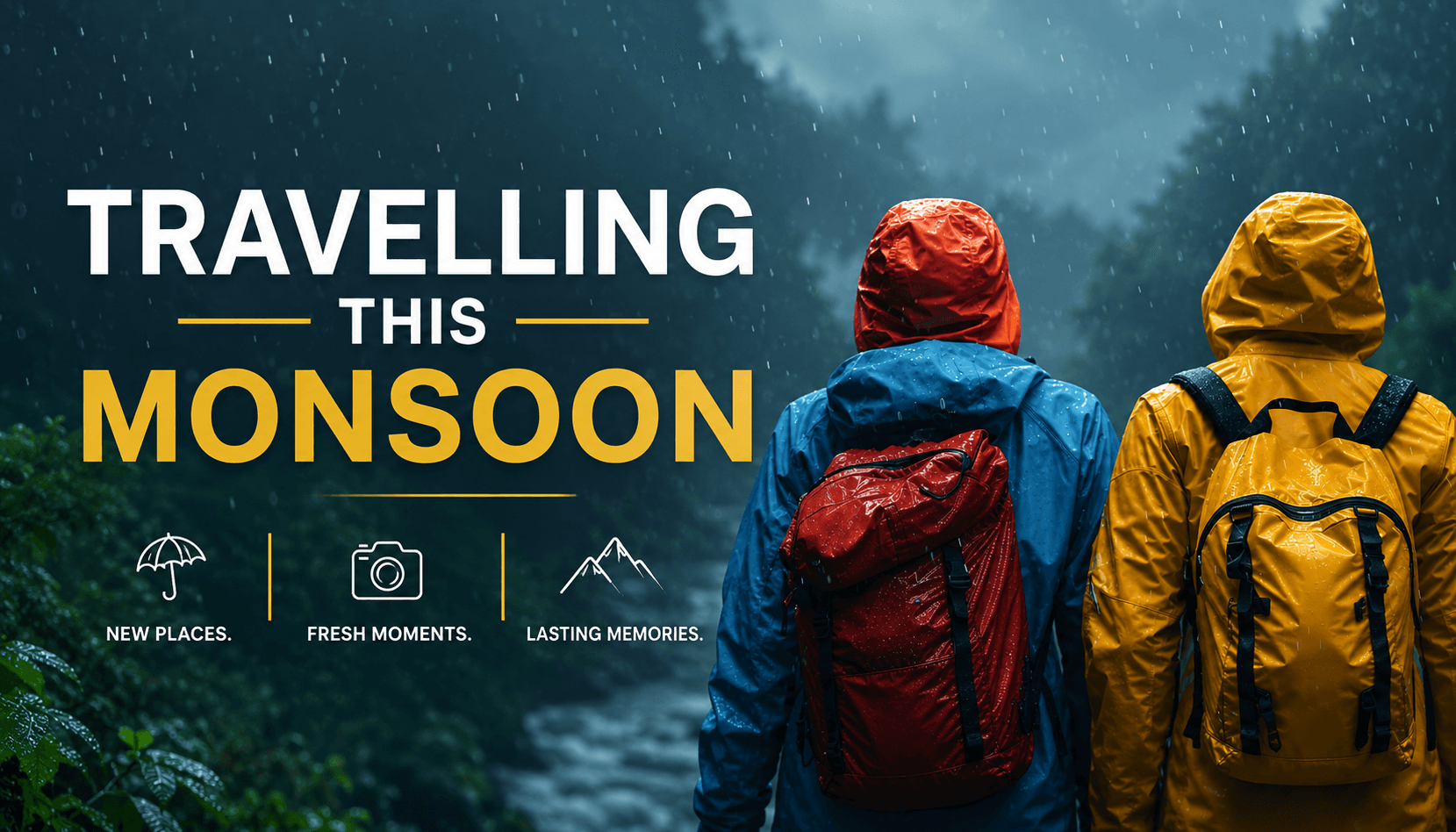
Monsoon is a great time to travel, with cooler weather, green landscapes, and plenty of opportunities for short getaways. However, travelling during the rainy season also means dealing with changes in weather, food habits, water sources, and daily routines.
Before you pack your clothes and travel essentials, don't forget your travel health kit.
Along with regular medicines and first-aid supplies, certain supplements and hydration products may be useful to carry, depending on your individual health needs. While supplements cannot replace a balanced diet or medical treatment, having the right essentials with you can help you stay prepared during your journey.
Here are some supplements and health essentials you may consider packing for your next monsoon trip.
Why Should You Carry a Travel Health Kit During Monsoon?
Monsoon travel can expose you to several common challenges, including:
-
Changes in food and eating habits
-
Unfamiliar drinking-water sources
-
Increased humidity and sweating
-
Changes in sleep and daily routines
-
Limited access to your regular medicines
-
Digestive discomfort while travelling
-
Increased exposure to mosquitoes in certain areas
A properly prepared monsoon travel health kit can help you manage minor health needs without having to search for a pharmacy immediately.
However, your kit should be personalised according to your age, existing health conditions, medications, destination, and duration of travel.

1. Vitamin C
Vitamin C is an essential nutrient that supports normal immune function and helps the body absorb iron from plant-based foods.
During travel, maintaining a balanced diet can sometimes be difficult. Fresh fruits and vegetables may not always be readily available, especially during long journeys.
Good dietary sources of vitamin C include:
-
Amla
-
Guava
-
Oranges and other citrus fruits
-
Tomatoes
-
Bell peppers
-
Kiwi
If you have been advised to take a vitamin C supplement, make sure you carry enough for your trip.
Important: Vitamin C supplements should not be considered a guaranteed way to prevent colds, flu, or other infections. Avoid taking excessive doses unless recommended by a healthcare professional.
2. Vitamin D
Vitamin D plays an important role in maintaining healthy bones and muscles and supporting normal immune function.
During the monsoon, cloudy weather and spending more time indoors may reduce your exposure to sunlight. However, this does not mean everyone needs additional vitamin D supplements.
If you already take vitamin D because of a diagnosed deficiency or medical recommendation, remember to carry your regular supply when travelling.
If you are considering starting a vitamin D supplement, speak with a healthcare professional first. High-dose vitamin D should not be taken without appropriate medical guidance.
3. Zinc
Zinc is an essential mineral involved in several functions of the body, including immune function and wound healing.
Foods containing zinc include:
-
Eggs
-
Meat and seafood
-
Dairy products
-
Beans and lentils
-
Nuts and seeds
Some people may require zinc supplementation depending on their diet or nutritional status.
However, taking excessive amounts of zinc can cause side effects and may interfere with the absorption of other minerals.
Carry zinc supplements only if they are part of your recommended health routine or have been advised by a healthcare professional.
4. ORS and Electrolytes
While not technically a supplement, oral rehydration solution (ORS) is one of the most practical items to keep in a travel health kit.
Travel can sometimes involve dehydration due to heat, sweating, vomiting, or diarrhoea.
ORS contains a specific combination of glucose and electrolytes that helps replace fluids and salts lost from the body.
Keeping a few ORS sachets in your travel bag can be particularly useful when travelling to places where access to medical or pharmacy services may be limited.
Remember: ORS should be prepared according to the instructions on the packet. Do not mix it with less or more water than recommended.
5. Probiotics
Changes in food, water, meal timings, and daily routines can sometimes cause digestive discomfort while travelling.
Probiotics contain live microorganisms that may provide certain health benefits. However, the benefits can vary depending on the specific probiotic strain and individual health needs.
If you frequently experience digestive issues while travelling, ask a doctor or pharmacist whether a probiotic supplement is appropriate for you.
Probiotics should not replace proper food and water hygiene.
6. Iron, Vitamin B12 and Other Supplements
Not every traveller needs additional iron, vitamin B12, calcium, folic acid, or multivitamin supplements.
These supplements are best taken based on your nutritional requirements, dietary intake, laboratory results, or medical advice.
If you already take a prescribed supplement, make sure you carry enough for the entire trip.
Tip: Keep your regular medicines and supplements in their original packaging and follow the dosage recommended by your healthcare professional.
What Else Should You Pack in Your Monsoon Travel Health Kit?
Supplements are only one part of being prepared. Your travel health kit should also include practical essentials.
Prescription Medicines
Carry enough of your regular prescription medicines for the entire trip. If possible, keep a copy of your prescription or medication list with you.
ORS Sachets
Keep ORS available for situations involving significant fluid loss, such as diarrhoea or vomiting.
Basic First-Aid Supplies
A small first-aid kit can include:
-
Adhesive bandages
-
Gauze
-
Antiseptic supplies
-
Medical tape
-
Basic wound-care products
Hand Sanitiser
Maintaining hand hygiene is particularly important when travelling. Carry a small hand sanitiser for situations where soap and water aren't readily available.
Mosquito Protection
Mosquito activity can be a concern in many areas during and after rainfall. Carry an appropriate mosquito repellent and take steps to avoid mosquito bites.
Safe Drinking Water
One of the most important monsoon travel precautions is choosing safe drinking water.
When travelling, prefer properly treated or sealed drinking water from reliable sources.
Need Health Products or Medicines for Your Trip?
From medicines and wellness products to convenient healthcare services, MedizinHub helps you access essential healthcare from the comfort of your home.
You can explore your healthcare needs and get professional guidance before your journey.
MedizinHub – Your Health, Connected.
Frequently Asked Questions
1. What supplements should I carry while travelling during monsoon?
There is no single list of supplements that everyone needs. Depending on your individual requirements, your healthcare professional may recommend supplements such as vitamin D, vitamin C, zinc, or others. ORS is also useful to keep in your travel health kit for situations involving fluid loss.
2. Should I take vitamin C supplements during monsoon?
Vitamin C is an essential nutrient that supports normal immune function. However, taking additional vitamin C does not guarantee protection against infections. A balanced diet is generally the preferred source of nutrients unless supplementation is recommended.
3. Is ORS useful during monsoon travel?
Yes. ORS can help replace fluids and electrolytes lost through diarrhoea or vomiting. It should be prepared exactly according to the instructions provided on the packet.
4. Can I start vitamin D or zinc supplements before travelling?
You should not start high-dose supplements without professional advice. Your requirement depends on factors such as your diet, nutritional status, medications, and overall health.
5. What are the most important monsoon travel health precautions?
Safe drinking water, food hygiene, regular handwashing, mosquito protection, adequate hydration, sufficient rest, and carrying necessary medicines are among the most important precautions.
6. Should I carry my regular medicines while travelling?
Yes. Carry sufficient quantities of your regular medicines for the entire trip and keep them in their original packaging. If required, carry a copy of your prescription or medication list.
Disclaimer: This article is intended for general health information and does not replace professional medical advice, diagnosis, or treatment. Supplements and medicines should be used according to individual healthcare needs and professional recommendations.
About the Author
MedizinHub Team
Posted in August 27, 2026