How does diet and lifestyle reduce your cancer risk?
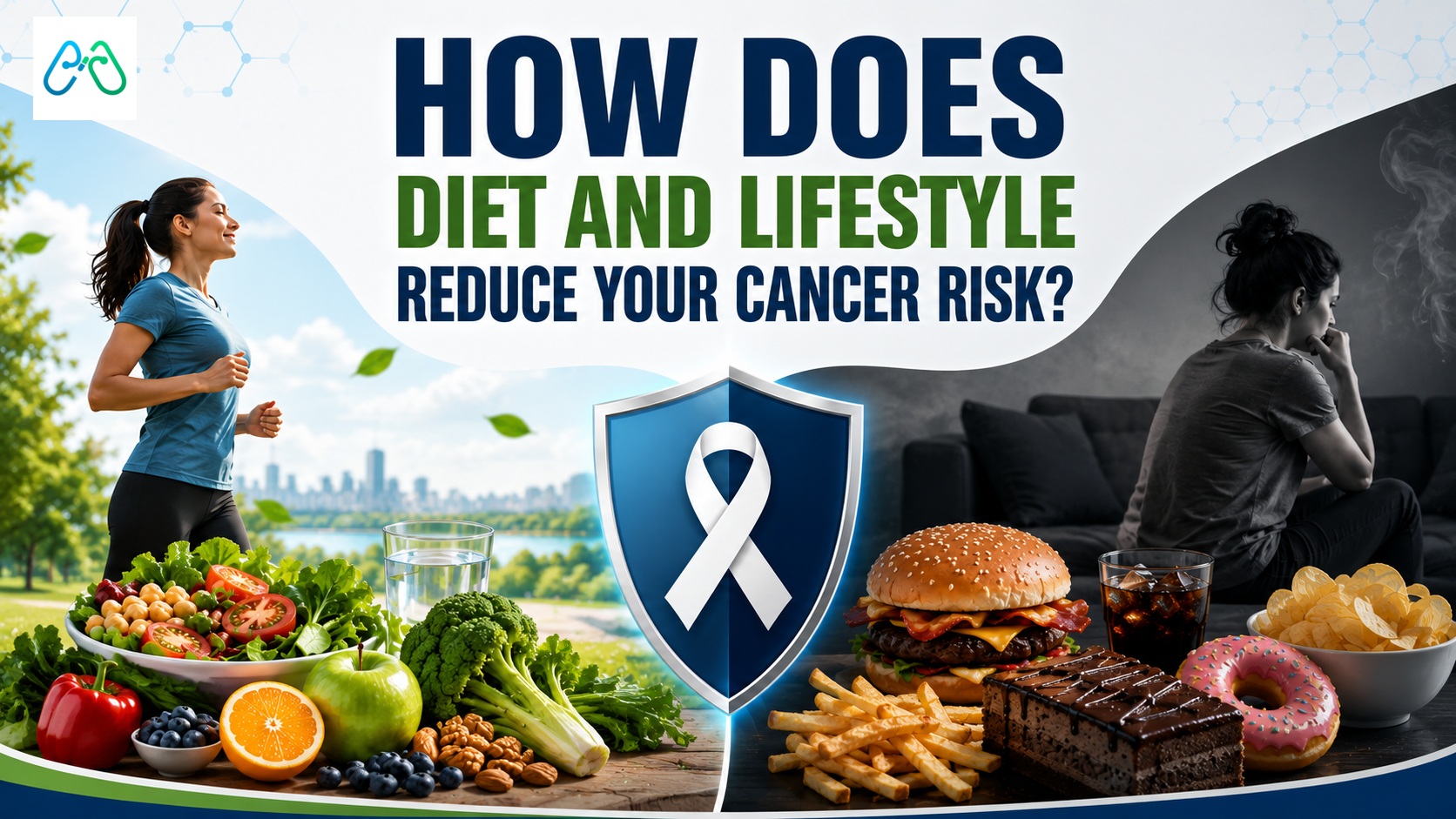
A science-backed guide to the daily habits that meaningfully lower your chances of developing cancer — reviewed by clinical advisors at MedizinHub.
Research shows up to 40% of cancers are preventable through lifestyle changes. Diet, physical activity, weight management, avoiding tobacco, limiting alcohol, and sun protection are the most evidence-backed ways to lower your personal cancer risk. If you're concerned about your risk profile, book a doctor consultation on MedizinHub for a personalised assessment.
Diet
What you eat matters
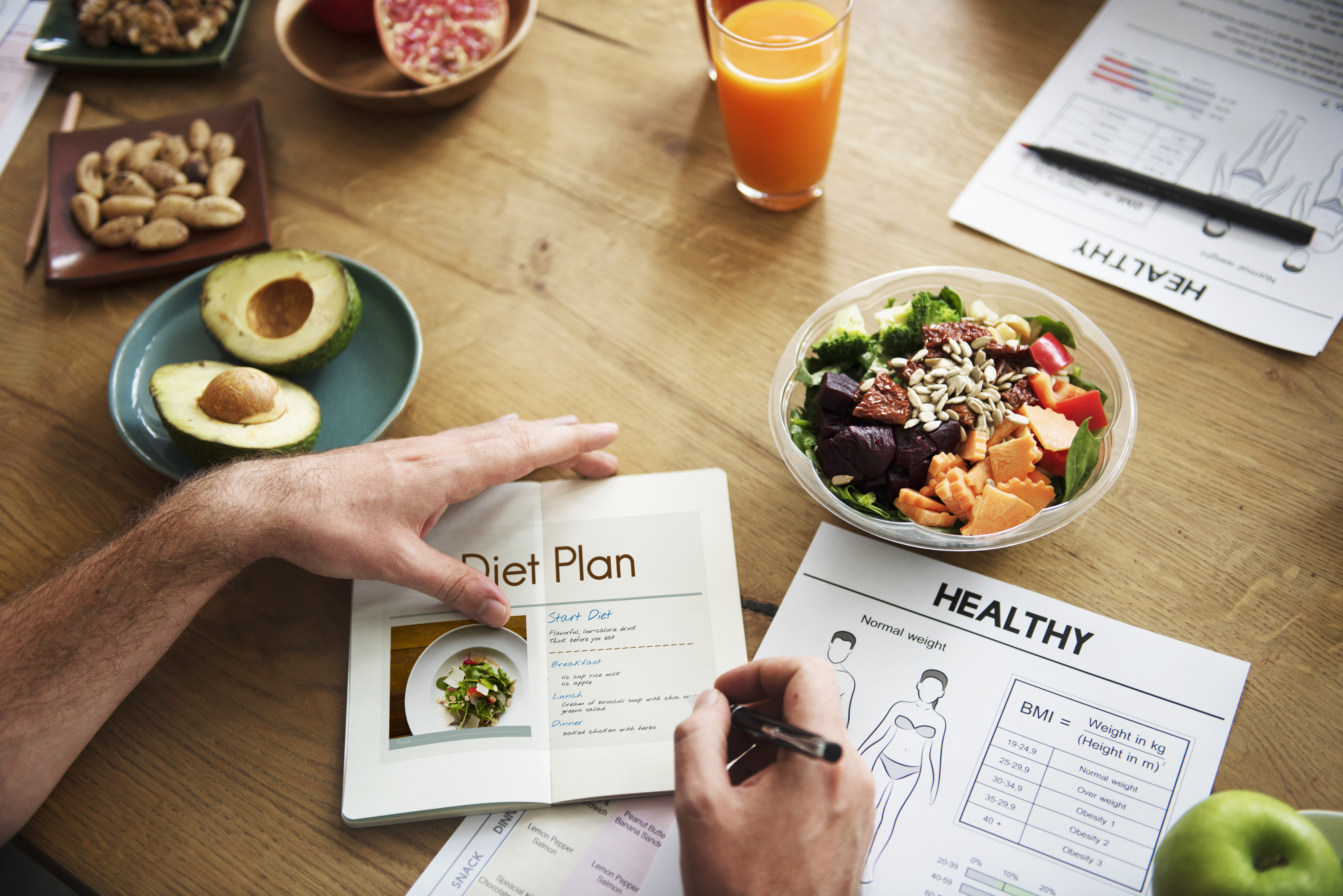
Your daily food choices directly influence inflammation, hormonal balance, and DNA stability — all of which affect cancer risk. Consistent dietary patterns over years, not individual meals, determine your overall exposure.
Eat more of:
- Cruciferous vegetables (broccoli, kale, cabbage) — rich in cancer-fighting phytochemicals
- Whole grains and legumes — fibre strongly linked to reduced colorectal cancer risk
- Omega-3 rich foods (salmon, flaxseed, walnuts) — reduce systemic inflammation
Limit or avoid:
- Processed and red meats — classified as probable carcinogens by IARC
- Ultra-processed foods high in refined sugars — promote obesity, a major risk factor
- Alcohol — directly linked to breast, liver, colon, and throat cancers
Speak with a qualified doctor on MedizinHub — get a personalised dietary risk assessment from the comfort of your home, with same-day appointments available online.
Move to protect
Regular exercise lowers cancer risk through multiple pathways — reducing excess body fat, regulating insulin and hormone levels, decreasing inflammation, and boosting immune function.
- 150+ minutes of moderate activity per week, or 75 minutes of vigorous activity
- Most strongly linked to reduced risk of breast, colon, and endometrial cancers
- Even light activity (walking, gardening, cycling) provides meaningful benefit
Maintain a healthy body weight
Excess body fat — particularly around the abdomen — raises oestrogens, insulin, and inflammatory molecules that drive abnormal cell growth. Obesity is directly linked to more than 13 cancer types including breast, kidney, pancreatic, and uterine cancers.
Avoid tobacco in all forms
Tobacco is the single largest preventable cause of cancer globally, linked to at least 15 cancer types. Chewing tobacco and passive smoke exposure also carry significant risk.
- Quitting at any age reduces risk. Within 10 years, lung cancer risk drops approximately 50% compared to continuing smokers
Limit alcohol consumption
There is no completely safe level of alcohol when it comes to cancer risk. Alcohol is metabolised into acetaldehyde — a known carcinogen that directly damages DNA.
- Breast cancer risk increases even with low consumption levels
- Heavy drinking strongly linked to liver, oesophageal, and mouth cancers
- Combining smoking and alcohol multiplies cancer risk significantly
Sun protection
UV radiation is the primary cause of skin cancer — the most common cancer type globally.
- Use SPF 30+ broad-spectrum sunscreen daily on exposed skin
- Avoid peak UV hours (10am–4pm) and wear protective clothing
- Never use tanning beds — they emit UV up to 15× stronger than midday sun
Sleep & stress management
Chronic stress suppresses the immune system and promotes inflammatory pathways linked to cancer progression. Night-shift work has been classified as a probable carcinogen by IARC due to circadian disruption.
- Adults need 7–9 hours of quality sleep per night
- Mindfulness, yoga, and CBT are evidence-backed stress management approaches
Regular cancer screening
Early detection dramatically improves survival rates. Staying current with recommended screenings amplifies the benefit of a healthy lifestyle.
From age 40–50
From age 45
Every 3–5 years
From age 50, discuss with GP
Annual if high risk
No single habit guarantees prevention, but the cumulative effect of eating well, staying active, avoiding tobacco and excess alcohol, protecting your skin, sleeping enough, and attending regular screenings dramatically reduces your lifetime risk. If you're ready to take the next step, talking to a doctor on MedizinHub makes it easy to connect with a doctor — online or at your doorstep.
About the Author
MedizinHub Team
Posted in June 5, 2026