Hantavirus Symptoms: Complete Guide to Prevention and Treatment

What Is Hantavirus?
Hantavirus is a deadly virus transmitted to humans primarily through contact with infected rodent droppings, urine, or saliva. First identified in 1976 during an outbreak in the Korean peninsula (Hantan River region), it causes severe respiratory and hemorrhagic fever diseases. The mortality rate varies by strain, ranging from 1% to 40%.
Quick Answer: Hantavirus symptoms appear 1-8 weeks after exposure and include fever, headache, muscle aches, and respiratory distress. Seek immediate medical attention if you suspect hantavirus infection.
Hantavirus Symptoms Timeline
Early Symptoms (Days 3-10 After Exposure)
The initial phase closely resembles flu, making early diagnosis challenging:
- High fever (38-40°C / 100.4-104°F)
- Severe headache
- Muscle aches and body pain
- Fatigue and weakness
- Dizziness and chills
- Nausea and vomiting
- Abdominal pain or cramping
Progressive Symptoms (Days 5-14)
As infection advances, respiratory symptoms develop:
- Dry cough
- Shortness of breath (dyspnea)
- Chest discomfort
- Difficulty breathing
- Rapid or difficult respiration
- Pulmonary edema (fluid in lungs)

High-Risk Groups
- Outdoor workers: Farmers, construction workers, utility workers
- Military personnel: In barracks and field conditions
- Laboratory workers: Handling infected rodents or samples
- Hikers and campers: In rodent-inhabited areas
- Cleaning personnel: Handling infected buildings
- Healthcare workers: Caring for HPS patients
- People living in rodent-infested homes: Especially in endemic regions
Risk Factors & Geographic Hotspots
Highest Risk Regions (Americas):
- Southwestern United States (Arizona, New Mexico, Nevada, Utah, Colorado)
- Four Corners area
- Rural areas in North and South America
- Mountainous and semi-arid regions
Global High-Risk Areas:
- Scandinavia (Puumala virus)
- Central/Eastern Europe
- China, Korea, Russia
- Balkans region
Diagnosis & Testing
Diagnostic Methods:
Most Accurate:
- Serology (ELISA): Detects hantavirus antibodies
- Results available in 24-48 hours
- Most reliable after 3 days of symptoms
- Positive IgM or IgG indicates infection
- RT-PCR: Detects viral RNA
- Early diagnosis (first 7-10 days)
- Most sensitive during acute phase
- Results in 24-48 hours
Sample Collection:
- Blood serum or plasma
- Respiratory secretions (if respiratory symptoms)
- Tissue samples (autopsy, if applicable)
When to Get Tested:
Seek testing if you have:
- Fever and muscle aches + recent rodent exposure
- Respiratory symptoms in endemic region
- Fever following cleanup of rodent-infested area
- Symptoms 3-8 weeks after potential exposure

Treatment Options
Supportive Care (Primary Treatment):
Since no specific antiviral cure exists, treatment focuses on managing symptoms:
- Hospitalization for severe cases
- Oxygen therapy if respiratory distress
- Mechanical ventilation if respiratory failure
- Fluid management and dialysis if kidney failure
- Vasopressors for hypotension management
- Pain and fever management
Experimental Antivirals:
Ribavirin:
- Some evidence for benefit in HFRS (less studied in HPS)
- IV administration
- May reduce severity if given early
- Not yet FDA-approved for hantavirus
- Effectiveness variable
Monitoring:
- Regular blood pressure checks
- Kidney function monitoring
- Platelet and blood cell counts
- Respiratory status assessment
- Cardiac function monitoring
Prevention Strategies
Rodent Control (Most Important):
- Seal gaps and holes in buildings (1/4 inch or larger)
- Remove food sources (seeds, grains, pet food)
- Store food in airtight containers
- Remove trash and clutter
- Use snap traps or professional pest control
- Trap placement: along walls and rodent pathways
Personal Protection:
When Cleaning Contaminated Areas:
- Wear N95 mask or better
- Use gloves (nitrile or rubber)
- Wear eye protection
- Long-sleeved clothing
- Disinfect before sweeping (HEPA vacuum)
Safe Cleaning Protocol:
- Ventilate area for 30+ minutes before cleaning
- Spray contaminated areas with disinfectant (bleach solution: 1 part bleach to 10 parts water)
- Let sit 5 minutes
- Carefully clean with damp cloths
- Properly dispose of all materials
- Wash hands thoroughly
Outdoor Prevention:
- Avoid handling dead or live rodents
- Wear gloves during outdoor work
- Cover cuts or abrasions
- Wash hands frequently
- Don't eat/drink without washing hands first
At Home:
- Regular inspections for rodent droppings
- Proper food storage
- Regular cleaning and disinfection
- Pet vaccinations (cats/dogs)
- Professional pest control if needed
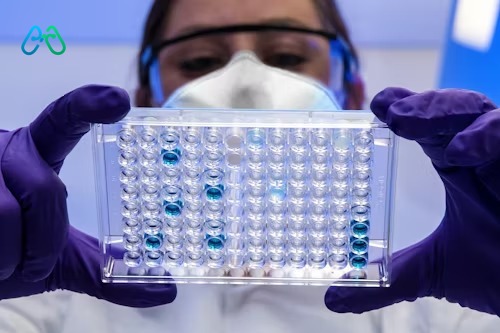
Hantavirus Myths vs. Facts
| Myth | Fact |
|---|---|
| Hantavirus spreads between people easily | Extremely rare; no human-to-human transmission in most cases |
| Eating contaminated food causes hantavirus | Virus destroyed by cooking; not foodborne |
| Hantavirus is only in rural areas | Can occur in urban buildings with rodent infestations |
| All rodents carry hantavirus | Only specific species carry certain strains |
| Vaccine available for hantavirus | No licensed vaccine available for general public |
| Hantavirus always causes respiratory illness | HFRS presents with hemorrhagic/renal symptoms instead |
Incubation Period & Infection Timeline
Incubation Period: 1-8 weeks (average 2-4 weeks)
- During incubation: No symptoms but potentially infectious
- Later incubation: Symptoms begin to appear
- Peak symptoms: Days 5-14 after symptom onset
Full Illness Duration:
- Acute phase: 5-14 days
- Recovery: Several weeks to months
- Some patients experience prolonged fatigue
- Complications may extend hospitalization
Quick FAQ
Q: How long after exposure do hantavirus symptoms appear? A: 1-8 weeks, with most cases developing symptoms 2-4 weeks after exposure.
Q: Is hantavirus curable? A: No cure exists, but early medical care and supportive treatment significantly improve survival rates.
Q: Can you get hantavirus from a pet? A: Extremely unlikely if pets are vaccinated and kept indoors. Risk only if pet brings infected rodents indoors.
Q: What rodents carry hantavirus in North America? A: Deer mice (primary), white-footed mice, rice rats, and cotton rats carry Sin Nombre virus.
Q: Is hantavirus always fatal? A: No; mortality is 38-50% for HPS and 1-15% for HFRS. Early treatment improves outcomes.
Q: Can you get hantavirus from old buildings? A: Yes; if buildings have active or old rodent infestations, contaminated dust poses risk.
Q: How long can hantavirus survive on surfaces? A: A few hours to days, depending on conditions. Disinfection eliminates risk.
Q: Is there a blood test for hantavirus? A: Yes; serology (antibody detection) is most common. RT-PCR can detect viral RNA in early infection.
About the Author
MedizinHub Team
Posted in May 20, 2026