Activated Charcoal for Teeth: Benefits, Risks, and What Research Says
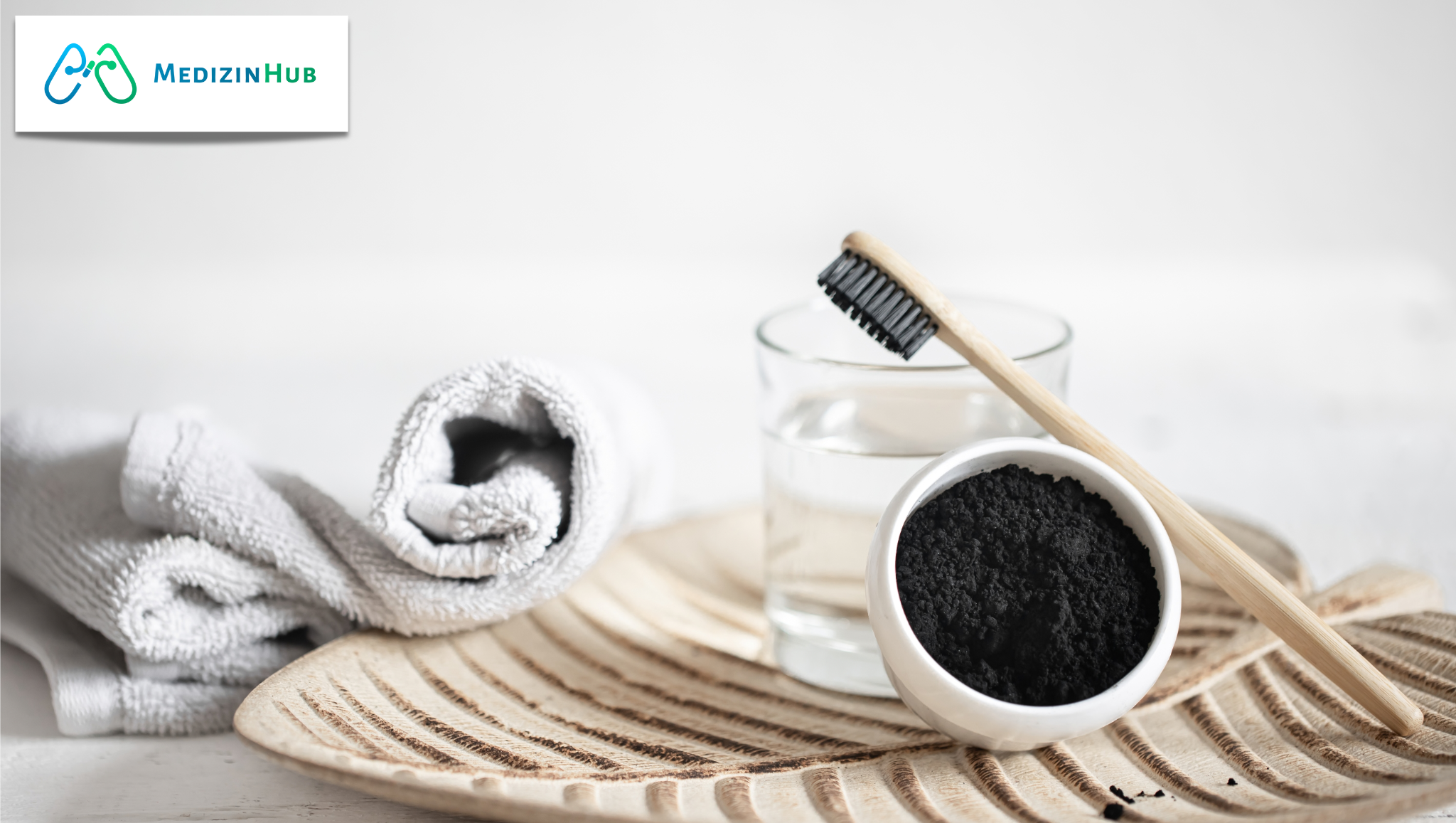
Activated charcoal toothpaste and charcoal powder are often promoted as natural ways to whiten teeth. But does activated charcoal actually make teeth whiter, and is it safe to use regularly?
The short answer is: activated charcoal may help remove some surface stains through its abrasive action, but current research does not show that charcoal-based products provide a reliable or superior tooth-whitening benefit. Frequent or aggressive use may also increase concerns about enamel surface wear and tooth sensitivity.
A 2024 randomized clinical trial found that activated charcoal powder and charcoal toothpaste produced only minor whitening effects and were less satisfactory to users than a conventional professional whitening treatment. A systematic review of available studies also found that charcoal toothpastes generally had lower whitening effectiveness and higher abrasive potential than some alternatives.
So, while activated charcoal may look appealing because of its black color and "natural whitening" claims, the evidence does not support treating it as a proven replacement for professional or evidence-based teeth-whitening methods.
What Is Activated Charcoal?
Activated charcoal is a highly processed form of carbon with a porous structure that gives it a large surface area.
Because of its adsorption properties, activated charcoal is used in certain medical and industrial applications.
In oral-care products, activated charcoal may be added to:
-
Toothpaste
-
Tooth powders
-
Mouthwashes
-
Other oral-care formulations
The popularity of charcoal toothpaste largely comes from its dark appearance and claims that it can absorb stains and make teeth look whiter.
However, the way activated charcoal works in a toothpaste is different from professional chemical tooth bleaching.
Does Activated Charcoal Whiten Teeth?
There is limited evidence that activated charcoal can significantly whiten natural teeth.
Charcoal toothpastes may help remove some extrinsic stains, which are stains located on the outer surface of the teeth.
These stains can come from:
-
Coffee
-
Tea
-
Tobacco
-
Certain foods and drinks
-
Other external pigments
The mechanical action of brushing and abrasive particles in toothpaste can remove some surface discoloration.
However, this is different from bleaching the natural color of the tooth.
Professional whitening products commonly use peroxide-based ingredients such as hydrogen peroxide or carbamide peroxide to chemically lighten tooth color.
Activated charcoal does not work in the same way.
What Does Research Say About Charcoal Toothpaste?
Research on activated charcoal for teeth is mixed, but the overall evidence does not establish it as a superior whitening method.
A systematic review evaluating activated charcoal-based toothpastes found that the available studies showed variable whitening results. The review also reported that charcoal toothpastes generally had greater abrasive potential and lower whitening effectiveness than other alternatives.
More recent clinical research has produced similar concerns.
In a randomized clinical trial involving 56 participants, activated charcoal powder and charcoal toothpaste produced whitening effects similar to regular toothpaste after 14 days, while a carbamide-peroxide whitening treatment produced stronger whitening. Participants also reported lower satisfaction with the charcoal powder.
The evidence therefore does not support the idea that activated charcoal is a highly effective teeth-whitening treatment.
How Does Activated Charcoal Affect Tooth Stains?
Activated charcoal may interact with substances on the tooth surface, but its practical whitening effect appears to be limited.
There are two possible mechanisms discussed in research:
1. Adsorption
Charcoal has a porous structure that can adsorb certain substances onto its surface.
This is one reason charcoal is marketed as a stain-removing ingredient.
2. Abrasion
Charcoal-containing products can also remove surface deposits through mechanical brushing.
This is important because abrasion can remove stains, but excessive abrasion can also wear dental surfaces.
In other words, a product may appear to clean surface stains without actually changing the underlying natural color of the tooth.
Can Activated Charcoal Damage Enamel?
Repeated use of abrasive charcoal products may contribute to changes in the tooth surface.
Tooth enamel is extremely hard, but it is not something the body simply replaces once it has been lost.
Research investigating charcoal powders and toothpastes has reported changes in enamel surface roughness and other surface characteristics.
One laboratory study found that charcoal powder altered enamel topography and did not provide a meaningful whitening advantage over conventional toothpaste or carbamide peroxide.
Another study found that charcoal-containing dentifrices had increased enamel-wear potential compared with conventional toothpaste after simulated long-term abrasion.
This does not mean every charcoal toothpaste will cause clinically significant enamel damage. Product formulation, abrasivity, brushing pressure, frequency and duration all matter.
The concern is particularly relevant when loose charcoal powder is repeatedly scrubbed onto teeth.
Can Charcoal Toothpaste Cause Tooth Sensitivity?
Potentially.
Tooth sensitivity can occur when the underlying dentin becomes more exposed or when teeth are subjected to irritating treatments.
Charcoal products may contribute to concern about sensitivity when they are highly abrasive or used aggressively.
Sensitivity can also have many other causes, including:
-
Tooth decay
-
Gum recession
-
Enamel wear
-
Cracked teeth
-
Existing dental problems
-
Teeth-whitening treatments
If you develop persistent or severe sensitivity, do not simply switch to another whitening product. A dental examination can help identify the underlying cause.
Is Activated Charcoal Toothpaste Safe for Daily Use?
There is not enough evidence to say that charcoal toothpaste is the best choice for daily oral care, particularly when its fluoride content and abrasivity are uncertain.
One important consideration is fluoride.
Fluoride toothpaste is widely recommended for preventing dental caries. The American Dental Association notes that toothpastes accepted for cavity protection under its Seal program contain fluoride.
Not every charcoal product has the same formulation.
Before choosing a charcoal toothpaste, check:
-
Whether it contains fluoride
-
The manufacturer's ingredient information
-
Whether the product has appropriate safety and efficacy evidence
-
Whether it is excessively abrasive
-
Whether you are experiencing sensitivity or enamel wear
Charcoal should not be considered a reason to replace proven cavity-prevention practices.
Activated Charcoal vs Professional Teeth Whitening
These approaches are fundamentally different.
| Feature | Activated Charcoal | Professional Whitening |
|---|---|---|
| Main approach | Surface stain removal | Chemical tooth bleaching |
| Common ingredient | Activated charcoal | Hydrogen peroxide or carbamide peroxide |
| Effect on natural tooth color | Limited evidence | Better established |
| Surface abrasion concern | Possible, depending on product | Not primarily dependent on abrasion |
| Professional supervision | Usually no | Often available |
| Evidence for whitening | Limited and inconsistent | Better established |
The American Dental Association recognizes peroxide-based whitening approaches and certain whitening products that meet its safety and effectiveness requirements.
If you want noticeably whiter teeth, discussing your options with a dentist can help determine whether professional whitening, an appropriate over-the-counter product or another treatment is suitable.
Does Activated Charcoal Remove Plaque?
Activated charcoal should not be considered a special plaque-removal treatment.
Plaque control primarily depends on:
-
Regular brushing
-
Fluoride toothpaste
-
Cleaning between teeth
-
Good brushing technique
-
Regular dental examinations
A toothpaste's black color does not indicate superior cleaning ability.
If a charcoal toothpaste removes some surface stains, that does not automatically mean it provides better overall oral-health protection.
Can Activated Charcoal Whiten Yellow Teeth?
It depends on why the teeth appear yellow.
Natural tooth color varies between individuals, and teeth can become darker because of:
-
Extrinsic staining
-
Natural aging
-
Changes in dentin
-
Certain medications
-
Trauma
-
Dental conditions
If discoloration is primarily a surface stain, a stain-removing toothpaste may improve its appearance.
But if the discoloration comes from within the tooth, simply brushing with charcoal is unlikely to produce the same effect as an appropriate bleaching treatment.
A dentist can help determine the cause of discoloration before recommending whitening.
What About DIY Activated Charcoal Powder?
Using loose activated charcoal powder to scrub the teeth is particularly difficult to recommend as a whitening strategy.
DIY use can make it difficult to know:
-
How abrasive the powder is
-
How much product is being used
-
How frequently it is being applied
-
Whether the product contains other substances
-
Whether the brushing technique is damaging the tooth surface
Research has reported enamel-surface changes associated with charcoal powder.
The American Dental Association also notes that there is insufficient evidence demonstrating that charcoal-based oral-care products provide adequate whitening benefit with established safety and effectiveness.
Who Should Be Especially Careful?
Speak with a dentist before using whitening products if you have:
-
Tooth sensitivity
-
Enamel erosion
-
Gum recession
-
Cavities
-
Cracked teeth
-
Gum disease
-
Dental restorations
-
Significant tooth discoloration
Whitening products may also have limited effects on crowns, veneers, fillings and other tooth-colored restorations because these materials do not whiten in the same way as natural teeth.
What Is a Better Approach to Keeping Teeth White?
If your goal is a healthy, clean-looking smile, focus on the basics first.
1. Brush regularly
Use a soft-bristled toothbrush and fluoride toothpaste.
2. Clean between your teeth
Floss or use another dentist-recommended interdental cleaning method.
3. Reduce frequent exposure to staining drinks
Coffee, tea and tobacco can contribute to external staining.
4. Avoid aggressive brushing
More pressure does not necessarily mean cleaner teeth.
5. Consider evidence-based whitening
If you want to change the natural color of your teeth, speak with a dentist about appropriate whitening options.
6. Have regular dental check-ups
Professional examination can identify cavities, gum problems, enamel wear and other causes of discoloration.
Activated Charcoal for Teeth: Benefits vs Risks
The biggest benefit claimed for activated charcoal is surface stain removal.
However, the available evidence suggests that this benefit is limited.
Potential benefits
-
May help remove some external stains
-
Can be included in toothpaste formulations
-
May make teeth appear temporarily cleaner because of surface stain removal
Potential concerns
-
Limited evidence for significant whitening
-
Abrasive formulations may contribute to surface wear
-
Loose charcoal powder may be particularly abrasive
-
Some products may not contain fluoride
-
Aggressive brushing can increase mechanical wear
-
It does not replace professional dental treatment
The key distinction is:
Removing surface stains is not the same as bleaching the natural color of teeth.
Final Verdict: Is Activated Charcoal Good for Teeth?
Activated charcoal is not a proven superior teeth-whitening treatment.
It may help remove some surface stains through its cleaning and abrasive action, but current evidence does not show a reliable whitening advantage over conventional toothpaste. Research also raises concerns about enamel-surface changes and abrasivity, particularly with charcoal powders.
For everyday oral health, prioritize fluoride toothpaste, appropriate brushing, interdental cleaning and regular dental care.
If you want significantly whiter teeth, consider evidence-based whitening options and speak with a dentist before starting treatment.
The goal should not simply be whiter teeth.
It should be healthy teeth that stay healthy while you improve their appearance.
Frequently Asked Questions
Does activated charcoal really whiten teeth?
Activated charcoal may remove some surface stains, but evidence for significant tooth whitening is limited. It does not work like peroxide-based bleaching treatments.
Is charcoal toothpaste safe for enamel?
Safety depends on the specific formulation and how it is used. Research has raised concerns about abrasivity and changes to enamel surface properties, particularly with charcoal powders.
Can charcoal toothpaste damage enamel?
Highly abrasive products or aggressive brushing may contribute to tooth-surface wear. Charcoal powder has shown potentially damaging effects on enamel surfaces in laboratory studies.
Can I use activated charcoal toothpaste every day?
Check the product's ingredients and fluoride content and avoid aggressive brushing. If you have sensitivity, enamel wear or gum recession, ask your dentist before using an abrasive whitening product regularly.
Is activated charcoal better than whitening toothpaste?
Current evidence does not establish activated charcoal as superior. Conventional whitening toothpastes can help remove surface stains, while peroxide-based products can provide chemical bleaching.
Does activated charcoal remove plaque?
Charcoal itself should not be considered a special plaque-removal treatment. Effective plaque control depends on regular brushing with fluoride toothpaste and cleaning between the teeth.
Can charcoal whiten yellow teeth?
It may help with some external stains, but it is unlikely to change the natural color of teeth significantly. The cause of the yellow appearance determines which treatment is appropriate.
Is charcoal powder safe for teeth?
Loose charcoal powder can be abrasive, and research has reported changes to enamel surfaces. It is better to discuss persistent discoloration with a dentist rather than relying on DIY charcoal whitening.
Does activated charcoal replace fluoride toothpaste?
No. Activated charcoal does not replace the role of fluoride in cavity prevention. Check whether any charcoal toothpaste contains fluoride before considering it for regular oral care.
What is the safest way to whiten teeth?
The appropriate method depends on the cause of discoloration and your dental health. Evidence-based over-the-counter or dentist-supervised whitening treatments can be considered after assessing your teeth and gums.
Medical Disclaimer
This article is intended for general educational purposes and does not replace professional dental advice, diagnosis or treatment.
If you have persistent tooth discoloration, tooth sensitivity, enamel wear, cavities, gum problems or dental pain, consult a qualified dentist.
About the Author
MedizinHub Team
Posted in October 6, 2026